When to Replace the Heater
As winter continues, ensuring the home's heating system is reliable is essential. A dependable furnace or heating unit is vital for maintaining a comfortable indoor environment. Nevertheless, every heater will eventually reach a point where replacing it with a new unit is the most practical decision.
Identifying the signals that indicate the need for a new heating system can help prevent a sudden, disruptive, and uncomfortable equipment breakdown. This article outlines several common signs indicating that the current heater is nearing the end of its lifespan and needs heating replacement.
Old Age or Frequent Repairs
The operational lifespan of heating equipment is a primary clue regarding the need for replacement. Most heating systems typically last between 15 and 20 years, so if the existing heater falls within or has surpassed this age bracket, a professional inspection is recommended to determine whether a new heating installation is warranted. As heaters age, their efficiency naturally decreases, and the likelihood of failure increases. A qualified technician can assess the unit's condition to advise on replacing the heating system.
Another clear indicator that it's time to replace a heater and get a new heater installation is a pattern of recurring heating repair needs and multiple service calls. Constantly spending money to fix an outdated unit can quickly become uneconomical. Eventually, directing those repair funds toward installing a modern, energy-efficient heater proves to be the most financially responsible and practical long-term choice for both the budget and home comfort.
High Utility Bills
 Higher monthly heating costs, even when thermostat settings haven't changed, can suggest it is time for a heating system upgrade. Elevated energy costs point to a decline in the heater's energy efficiency. As heating systems age, they lose efficiency, requiring them to run longer and work harder to reach the desired temperature. This increased effort results in higher energy consumption and, consequently, higher heating bills.
It's important to remember, however, that increased heating costs can also result from other issues, such as a clogged or dirty air filter, skipping heating maintenance, or a specific problem requiring heater repair. Therefore, if routine maintenance has been conducted and any known heater issues fixed, but utility bills remain high, it strongly indicates that the system's inefficiency is tied to its age and that heating system replacement is necessary.
Insufficient Heating
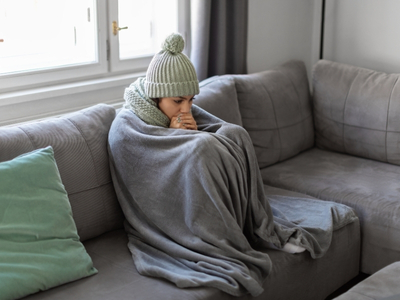 If the heating system struggles to maintain the temperature set on the thermostat, there are significant temperature variations across rooms, a complete absence of heat, or other heating performance issues arise, it may also point to the need for heater replacement.
These heating performance shortcomings can occur due to various problems with the system, some of which may require replacing the heater and others that may require heater repair. The best course of action is to arrange for a technician to inspect the system, accurately diagnose the root cause of the heating issues, and advise on whether a straightforward repair, a replacement, or a new heating system installation offers the most effective and lasting solution.
About RupCoe Plumbing, Heating & Air Conditioning
RupCoe Plumbing, Heating & Air Conditioning has been providing home services to the South Plainfield community for over 30 years. They offer upfront pricing, fast turnarounds, and satisfaction guaranteed. Call them for heater replacement and installation services in South Plainfield, NJ.
)
Distribution Links +
- https://go.chinesewire.com
- https://smb.bogalusadailynews.com
- https://smb.magnoliastatelive.com
- https://smb.orangeleader.com
- https://smb.panews.com
- https://smb.picayuneitem.com
- https://smb.lobservateur.com
- https://smb.panolian.com
- https://smb.americustimesrecorder.com
- https://smb.amnews.com
- https://smb.americanpress.com
- https://smb.dailyleader.com
- https://smb.oxfordeagle.com
- https://smb.bluegrasslive.com
- https://smb.claiborneprogress.net
- https://smb.elizabethton.com
- https://smb.jessaminejournal.com
- https://smb.kenbridgevictoriadispatch.com
- https://smb.thesnaponline.com
- https://smb.clemmonscourier.net
- https://smb.harlandaily.com
- https://smb.irontontribune.com
- https://smb.ourdavie.com
- https://smb.state-journal.com
- https://smb.thecharlottegazette.com
- https://smb.theinteriorjournal.com
- https://smb.tryondailybulletin.com
- https://smb.winchestersun.com
- https://smb.farmvilleherald.com
- https://smb.salisburypost.com
- https://smb.cordeledispatch.com
- https://smb.middlesboronews.com
- https://smb.thepostsearchlight.com
- https://pr.washingtoncitypaper.com
- https://smb.theleesvilleleader.com
- https://smb.prentissheadlight.com
- https://smb.beauregardnews.com
- https://pr.hattiesburg.com
- https://pr.walnutcreekmagazine.com
- https://pr.thembnews.com
- https://pr.boreal.org
- https://pr.timesofsandiego.com
- https://pr.chestercounty.com
- https://pr.wncbusiness.com
- https://pr.ashlandtownnews.com
- https://pr.millismedwaynews.com
- https://pr.norwoodtownnews.com
- https://pr.hopedaletownnews.com
- https://pr.franklintownnews.com
- https://pr.naticktownnews.com
- https://pr.norfolkwrenthamnews.com
- https://pr.hollistontownnews.com
- https://pr.rivertonjournal.com
- https://pr.columbiabusinessmonthly.com
- https://pr.herrimanjournal.com
- https://pr.holladayjournal.com
- https://pr.wvcjournal.com
- https://pr.midvalejournal.com
- https://pr.sandyjournal.com
- https://pr.southjordanjournal.com
- https://pr.cottonwoodheightsjournal.com
- https://pr.valleyjournals.com